On AI
AI is both overhyped and world-shifting. Companies fire juniors, artists rage models ate the internet, and everyone pretends it’s fine. It’s not. We’re headed for either dystopia or utopia - ideally not the one where Amazon’s robot Steve lets us starve.
Introduction
I’ve been mulling over “AI” - as we now call statistical models with some added flair - and decided to put my thoughts into writing. In the following article I’ll talk about a few topics: my general views on the AI hype, the use of LLMs and automation in tech and the corporate world, their use in creative work, and my general outlook for the future of our world with our new “AI” pals.
Generally About the AI Hype and Change
AI and LLMs, as they’re being sold to us by Anthropic, OpenAI, and co., are overhyped in my opinion. Sure, they’re useful in their own right, but the main players in the field are betting on the future state of AI - making decisions based on what it might become, not what it is now, and certainly not what the consequences of their little game might be.
And I know, AI is the worst it will ever be at any given time. But really - does a toothbrush need to be powered by AI? Probably not, right?
So yes, I think it’s overhyped.
But here comes the duality of man: I also think this might actually be similar to the Industrial Revolution in some ways. Or at least AI has the potential to be. It will destroy jobs and shift others, but where it differs is scale. These systems aim to replace not only lower-end, menial jobs nobody wants to do (mind you, people do them out of necessity, not desire), but also creative and technical ones.
Where does that leave us? I’ll elaborate later, but I only see two extremes: one utopian, the other dystopian.
AI in Corporate, Tech, and Automation
This is probably where my words carry the most weight since, in my professional life, I work as a Developer in a big European corporation. From the business side, I hear this a lot:
- “AI will replace FTA needs in the future.”
- “We are downsizing to account for AI usage.”
Meanwhile, we’re not hiring juniors because “AI can take care of this.”
Okay - then what about in 50 years? 100? Who will be the senior devs who fix (and maintain) the slop of AI-generated code? Believers say that by then AI will be so advanced we won’t need those people either. And yeah, maybe. But what if not? Then what?
Gonna cry? Gonna piss your pants maybe?
Honestly, I’m not sure. Probably by that point corporations will be so far gone it won’t matter. Still, it’s something worth keeping in the back of your mind. In the meanwhile, people will still be overwhelmed by FTA reductions where they actually need more people, fighting to force all kinds of LLMs, MCPs, and other three-letter acronyms into their products just to satisfy business and maybe get a bigger budget next year.
As for automation, we already see what Amazon is doing - replacing people with robots to save costs, and that’s just the beginning. If we’re honest, they don’t even need “AI,” just good enough robotics and automation. But the impact will be felt by the widest group of people.
Hundreds of low-paying jobs are being phased out by automation and robotics. Delivery and warehouse jobs - all of them are slowly (or in some cases quite rapidly) being replaced. In and of itself, this should not be a problem as long as there are replacement job opportunities for the workers, but that is not the case…
AI and robotic automation do create some new jobs, but they destroy a lot more than they create, and currently I don't see the alternatives that could take in the newly freed workforce.
Oh, and you corpo-borpo manager-minded folks - don’t sigh in relief. You’re not safe either (unless you’re high enough up). I already see the winds of doom blowing for middle and low management.
Now, to play devil’s advocate: this is all good for corporations. What is their real purpose? Making money. And more precisely: making money for shareholders. Fewer people means bigger margins. Right now enterprises are weighing what costs more - keeping employees or replacing them with cheaper AI at the risk of service degradation. And we are currently at the tipping point.
This situation creates an interesting dilemma. If we replace all workers with robots and AI to increase profits, who is going to buy our products? The AI? No, we don't pay them. The stakeholders? Maybe their stocks are going through the roof (for now).
The workers! Yes, they have income, they will pay! Oh wait - we fired all of them.
Crap…
AI in the Creative Field
This is the topic that causes the most stir online. Many - if not all - image and video generators were trained on stolen data. And yes, this must be acknowledged.
But consider a different angle: does an artist steal the work of another if they’re inspired by them? If they work in another artist’s style? Would you accuse someone influenced by Dalí or Hayao Miyazaki of theft? Probably not (unless they traced over them and called it their own).
I see generative AI similarly.
If this doesn’t convince you, fair enough - but here’s the question: will your defiance change anything?
The deed is done. The models were trained, and nobody can undo that now.
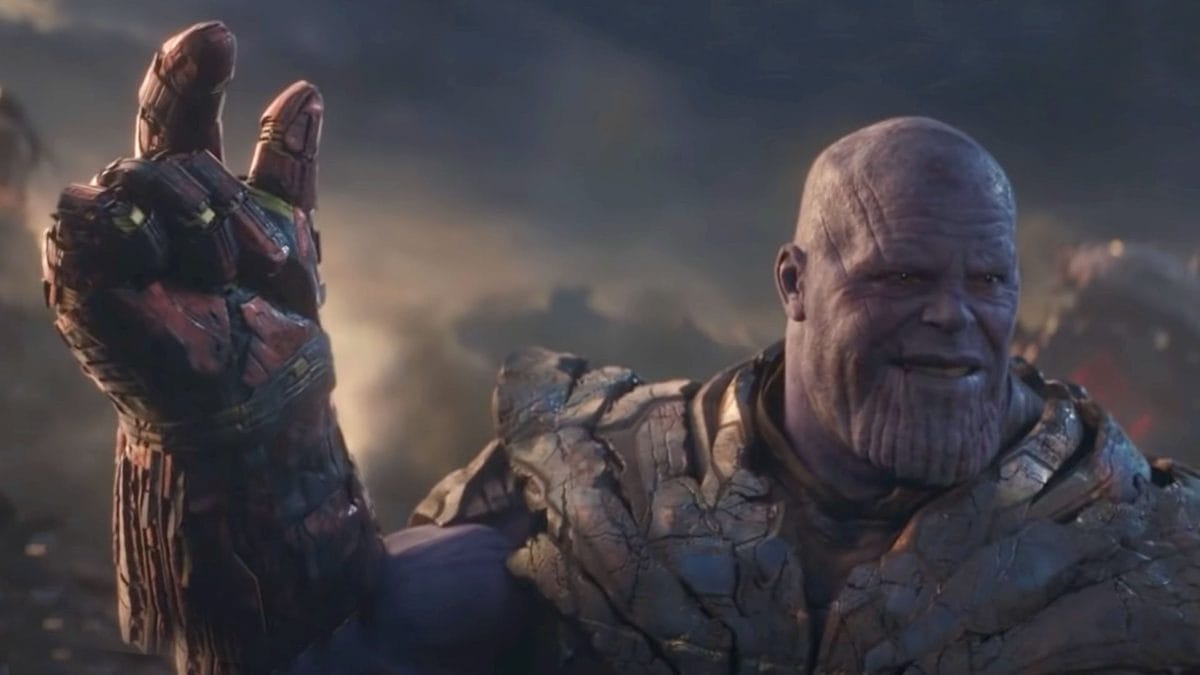
Artists will cry about this, and so will I when I’m inevitably replaced by Claude Code for the price of burning a small chunk of the Amazon rainforest. But as a wise man once said:
It is inevitable.
If you’re seething right now, bear with me - I have another angle.
Picture this: you’re an up-and-coming artist in the 19th century. You paint portraits, dabble in landscapes. One day a client cancels your commission because some eccentric noble showed him a weird box that captured a “painting” in moments - more lifelike, in less time.
Is photography art? If so, is the leap from portrait painting to portrait photography comparable to the leap from human illustration to generative AI?
In my opinion: YES.
Times change. But that doesn’t mean artists become obsolete. We still have portrait painters. And even though everyone has a camera in their pocket (don’t come at me with “umm actually” - we’re not counting North Korean sweatshop workers in this analogy), a photo taken by a professional is still miles different from what Bob snaps of his steak.
Yes, AI will make life harder for up-and-coming artists. Yes, it will make standing out harder.
But you cannot deny that it enables creativity:
- “I don’t have the money to commission an artist for the logo in my head.”
- “I can’t sketch the clothing design I want to make.”
- “I have a cool game idea but can’t code it.”
- “I have a story in my mind but don’t have the years to train myself to write it well.”
AI unlocks creativity - just like cameras, digital art, and other tools once did.
Sure, it also unleashes slop and low-effort content. But let’s not kid ourselves: slop existed long before AI. AI simply accelerates its production.
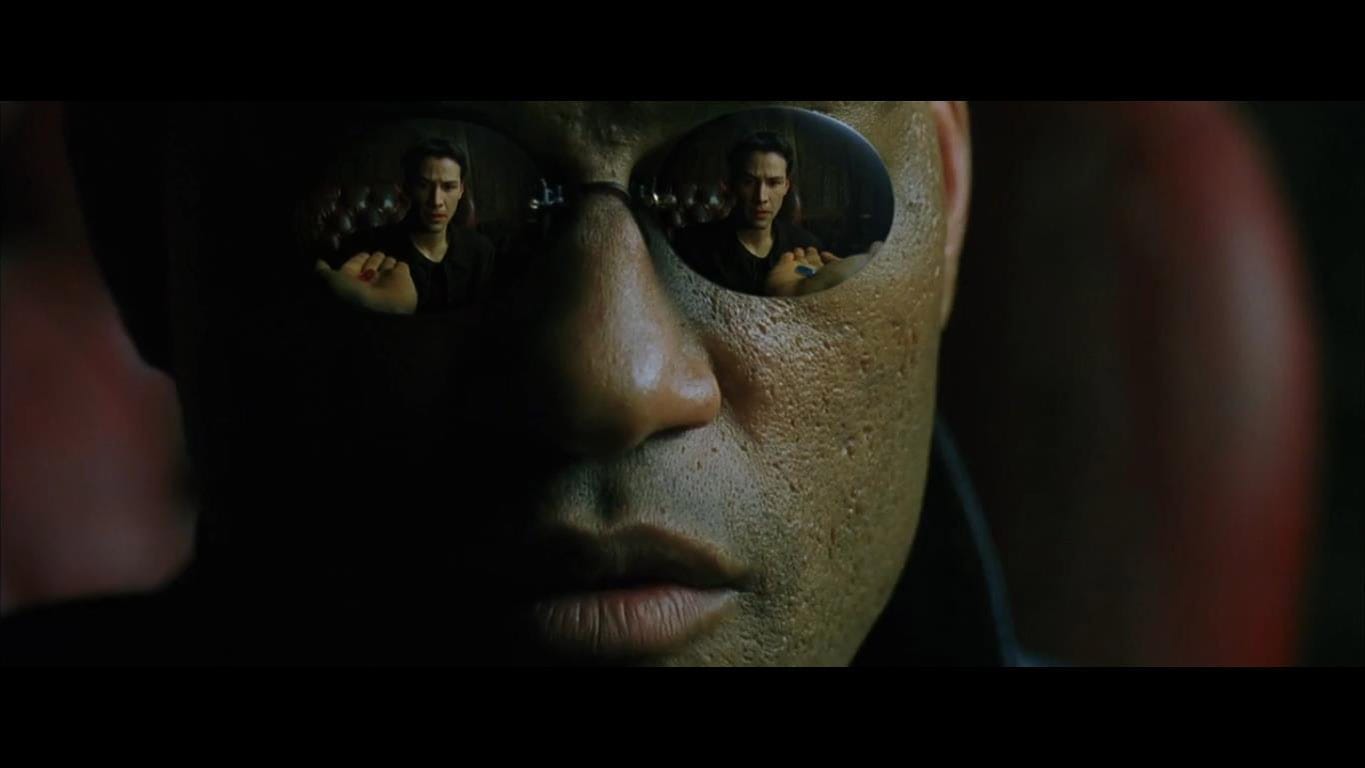
But where does all of this leave us? In an upcoming cultural shift that is unavoidable and has the potential to uproot everything we call a normal way of life. A red-pill vs. blue-pill situation.
The Outcome
I’ve talked about the mainstream AI discussion and my views on it, but that’s just what the headlines cover. AI is a useful tool that will save lives (see protein folding, if you’re curious), but it also has the potential to throw us into despair. Let’s see what those two situations might be.
The Dystopia
One possible future is a cyberpunk-esque dystopia where human life is cheap, people struggle to survive, and AI replaces most work. In this scenario, we never solve mass joblessness caused by unrestrained automation. Civil unrest follows, maybe revolts against corporate greed and AI proliferation. How it plays out depends on leaders, corporations, and the desperation of the masses.
Bleak, right?
But let’s see the brighter side of the same coin.
The Utopia (At Least to Me)
In this scenario, AI also replaces many jobs, but we reach a point where unlimited automation collides with economic reality - corporations realize that if people don’t work, they can’t consume.
The solution?
You don’t need to work. You are provided food, shelter, and entertainment. You may work, create, pursue dreams - but you don’t have to. You can pursue your creative or other dreams with no 9-to-5 to drain you of your soul.
Some might call this naïve, but understand: I have an unshakable faith in human curiosity. I believe there is no secret, mystery, or craft humanity cannot learn. I don’t believe we would stagnate. With new freedoms, we would reach new heights.
A more grounded version: you’re guaranteed basic necessities, but luxuries require work. That reintroduces ambition and incentive without forcing survival through labor.
Reflection
All of this depends on a turning point that, in my opinion, is upon us. What our leaders, politicians, and corporations choose will decide the fate of humankind.
Will we chase short-term profit, or choose the betterment of our neighbors?
Only history will tell. But one thing is certain: our generation will live through it, whether we like it or not.
I believe in the perseverance of humankind - that we can overcome anything the universe, or in this case we ourselves, throw at us. And I believe that we are going to survive this century’s biggest crisis (unless Austria somehow starts WWIII).
In any case, I'm just your average Arcana enthusiast with a somewhat hot take that in all likeliness only his friends will read, so just think on my words, and never stop your journey in Arcana in hope of enlightenment.
Ave Deus Arcanum!
Hajdu Marcell Ferenc
Level Three Arcanist